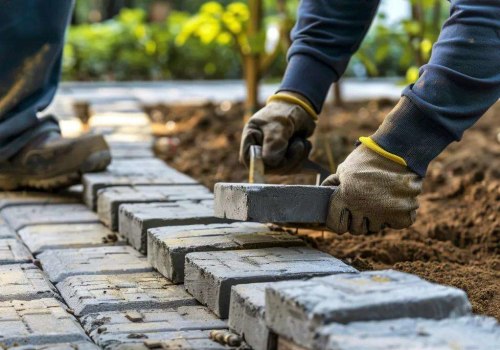
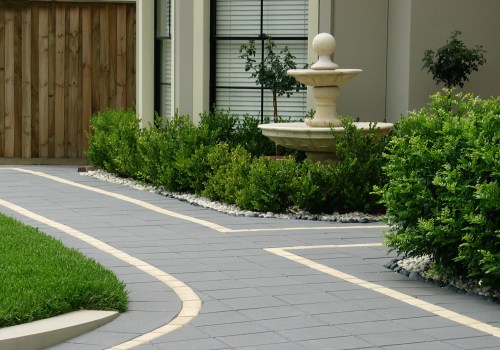
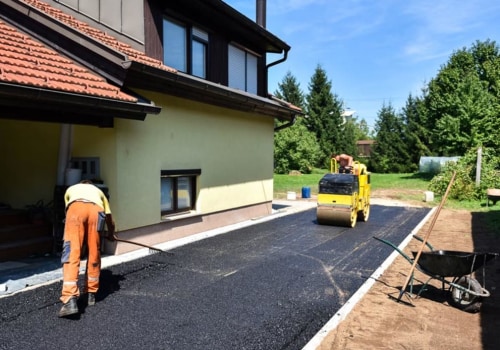
When homeowners invest in residential paving projects—whether for driveways, walkways, or patios—they often prioritize materials, design, and visual appeal. However, one of the most critical factors that determines the longevity of these surfaces is proper sewer and drainage planning. Without a well-thought-out system to manage water flow, even the highest-quality paving materials can deteriorate prematurely. Water that is not directed away from paved surfaces can seep underneath, weakening the base layer and leading to cracks, shifting, and costly repairs. Understanding how drainage interacts with paving is essential for protecting both the appearance and structural integrity of the investment.
Preventing Water Damage and Surface Failure
Water is one of the most damaging elements for paved surfaces. When rainwater or runoff accumulates on or beneath paving, it can erode the supporting soil and compromise the stability of the structure. Over time, this can result in uneven surfaces, potholes, and drainage-related hazards. Proper sewer and drain planning ensures that water is efficiently channeled away through grading, drainage pipes, and strategically placed outlets. By incorporating these elements during the initial paving process, homeowners can prevent issues that would otherwise require expensive repairs or complete replacement in the future.
The Importance of Proper Grading
One of the most fundamental aspects of drainage planning in residential paving is grading. A well-graded surface directs water away from the home and toward designated drainage points. Even a slight miscalculation in slope can cause water to pool, leading to long-term damage. Professional planning takes into account the natural landscape, soil composition, and surrounding structures to create a balanced system that promotes effective water flow. This not only protects the paved surface but also prevents water from accumulating near the home’s foundation, reducing the risk of structural issues.
Integrating Sewer and Drain Systems
Beyond surface-level solutions, integrating sewer and drainage systems into paving projects adds another layer of protection. Features such as trench drains, catch basins, and permeable pavers allow water to be collected and redirected efficiently. These systems work together to manage both surface water and subsurface moisture, ensuring that the paving remains stable under varying weather conditions. Consulting with experienced sewer and drain professionals during the planning phase helps homeowners identify the most effective solutions tailored to their specific property needs. Their expertise ensures that the system is designed not just for immediate performance but for long-term durability.
Enhancing Property Value and Functionality
A properly planned drainage system does more than protect paving—it enhances the overall value and functionality of the property. Well-maintained surfaces improve curb appeal and provide safe, usable spaces for daily activities. Additionally, effective water management reduces the likelihood of flooding, erosion, and damage to surrounding landscaping. Potential buyers are increasingly aware of these factors, making drainage planning a key consideration in property value. Investing in proper sewer and drain integration demonstrates foresight and attention to detail, which can set a home apart in a competitive market.
Long-Term Protection and Peace of Mind
Ultimately, sewer and drain planning in residential paving is about safeguarding an investment for years to come. By addressing water management from the outset, homeowners can avoid common pitfalls that lead to premature wear and structural issues. A proactive approach ensures that paved surfaces remain durable, functional, and visually appealing despite changing weather conditions. With the right combination of grading, drainage systems, and expert guidance, homeowners can enjoy peace of mind knowing that their investment is protected against one of the most persistent threats—water damage.