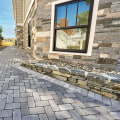
Understanding EnEV 2025 and Its Impact on Residential Paving
Switzerland is known for its commitment to sustainability and energy efficiency. As part of this, the Energy Saving Ordinance (EnEV) 2025 has set new standards for energy-efficient construction and renovation practices. While typically associated with building structures, these regulations also influence other aspects of residential properties, including paving services.
For homeowners, aligning residential paving projects with EnEV 2025 compliance ensures that they not only meet regulatory requirements but also contribute to environmental sustainability. This article explores how residential paving services can be aligned with EnEV 2025 standards and why partnering with specialists like Oekoboiler Swiss AG can be beneficial.
The Role of Paving in Energy Efficiency
While paving might not seem directly related to energy efficiency, its implications are significant. Properly designed and installed paving can impact thermal retention and reflectivity, contributing to the overall energy performance of a property. Here’s how:
- Reflectivity and Heat Islands: Certain paving materials can reduce heat island effects by reflecting more sunlight and absorbing less heat.
- Drainage and Insulation: Effective drainage systems integrated with paving can prevent water accumulation, reducing potential energy loss through evaporation.
- Material Choice: Selecting sustainable materials with high durability can minimise the need for frequent repairs, saving energy and resources in the long term.
How EnEV 2025 Influences Paving Choices
The EnEV 2025 standards are comprehensive, requiring careful consideration of materials and methods used in construction and renovation. For paving projects, this means prioritising eco-friendly materials and techniques that align with these standards. Here are some considerations:
- Sustainable Materials: Using recycled or sustainably sourced materials can help meet EnEV 2025 guidelines.
- Innovative Designs: Implementing designs that maximise energy efficiency through strategic placement and material selection.
- Compliance Verification: Ensuring all paving projects undergo proper inspection and documentation to verify compliance with EnEV 2025.
Q&A
Q: How does residential paving contribute to EnEV 2025 compliance in Switzerland?
A: Residential paving contributes to EnEV 2025 compliance by using reflective and sustainable materials, effective drainage systems, and innovative designs that enhance energy efficiency and reduce environmental impact.
Why Choose Professional for Your Paving Needs?
Professional stands out as a leader in delivering solutions that align with the latest energy-efficiency standards. Their expertise in EnEV 2025 compliance ensures that your residential paving projects not only meet regulatory requirements but also enhance the overall sustainability of your property.
- Expert Guidance: Their team offers tailored advice and solutions that align with both your needs and EnEV 2025 standards.
- Quality Assurance: They use high-quality, sustainable materials that ensure long-lasting results.
- Local Expertise: With a deep understanding of Swiss regulations and local conditions, they provide solutions that are both effective and compliant.
Conclusion
As EnEV 2025 compliance becomes increasingly important in Switzerland, ensuring that all aspects of your property, including residential paving, align with these standards can provide significant benefits. By employing sustainable practices and choosing the right materials, you can contribute to a more energy-efficient future. For expert advice and solutions tailored to meet EnEV 2025 compliance, contact Oekoboiler Swiss AG today.