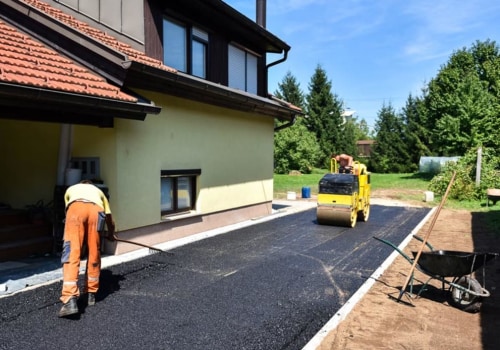
Residential paving is often viewed as a purely aesthetic or structural upgrade, but it also plays a vital role in supporting exterior lighting and power needs. Driveways, walkways, and patios create defined spaces where electrical systems can be strategically integrated to enhance both functionality and safety. By planning paving and electrical layouts together, homeowners can avoid disruptive retrofitting and ensure that wiring, conduits, and fixtures are seamlessly incorporated beneath or alongside paved surfaces. This coordinated approach not only improves efficiency but also results in a cleaner, more polished outdoor environment.
Planning for Lighting Integration
One of the most effective ways residential paving complements exterior lighting is through intentional design and placement. Pathway lighting, for example, can be embedded along paved walkways to improve visibility and guide movement at night. Driveway lighting enhances safety for vehicles and pedestrians, while accent lighting can highlight landscaping features or architectural elements. Installing conduits beneath paving during construction allows for easy connection of these lighting systems without compromising the integrity of the surface. Working with experienced providers like Baker Brothers ensures that electrical components are installed correctly and aligned with the overall paving plan, reducing the risk of future complications.
Supporting Outdoor Power Needs
Beyond lighting, residential paving also supports a wide range of outdoor power requirements. Modern homes often include outdoor kitchens, entertainment areas, and charging stations that require reliable electrical access. By incorporating power outlets and wiring into the paving design, homeowners can create functional spaces that accommodate these features without visible cables or extensions. For example, patios can include built-in outlets for appliances or sound systems, while driveways may support electric vehicle charging stations. Proper planning ensures that these power sources are conveniently located and safely integrated into the overall design.
Enhancing Safety and Durability
Integrating electrical systems with residential paving also contributes to improved safety and durability. Properly installed lighting reduces the risk of accidents by illuminating pathways, steps, and entry points. Additionally, embedding electrical conduits within or beneath paved surfaces protects them from environmental damage, such as moisture or physical impact. This not only extends the lifespan of the electrical system but also minimizes maintenance requirements. Ensuring that all installations meet safety standards is essential, as improper wiring or placement can pose significant risks. Professional installation helps guarantee that both paving and electrical components work together safely and effectively.
Balancing Aesthetics and Functionality
A well-designed outdoor space should balance visual appeal with practical functionality. Residential paving provides a foundation that can enhance the overall look of exterior lighting and power features. For instance, recessed lighting within pavers creates a sleek and modern appearance, while strategically placed fixtures can highlight textures and patterns in the paving design. At the same time, maintaining easy access to electrical components for maintenance is crucial. By thoughtfully integrating these elements, homeowners can achieve a cohesive design that enhances both the beauty and usability of their outdoor spaces.
Future-Proofing Outdoor Spaces
Planning for future needs is another important aspect of integrating paving with lighting and power systems. As technology continues to evolve, homeowners may wish to add new features such as advanced lighting controls, additional outlets, or upgraded electrical systems. Installing extra conduits or leaving space for expansion during the initial paving process can make these upgrades much easier and more cost-effective. By taking a forward-thinking approach, homeowners can ensure that their outdoor spaces remain adaptable and functional for years to come, maximizing the value of their investment.