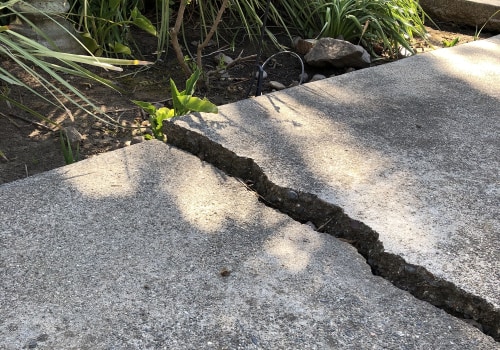
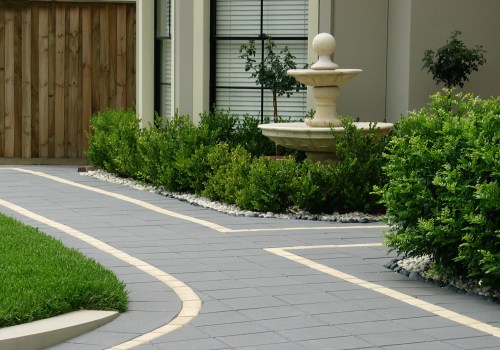
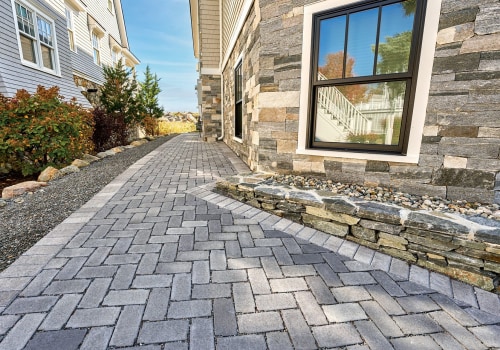
Large home renovation projects often involve multiple improvements happening simultaneously, including exterior paving work, roofing upgrades, landscaping, and interior remodeling. While homeowners usually focus on the finished appearance of new driveways, walkways, or paved access areas, one challenge that receives far less attention is protecting freshly paved surfaces during active construction. Newly paved asphalt and concrete surfaces require time to cure, stabilize, and strengthen properly before they can handle heavy traffic, equipment movement, and repeated construction activity. During renovations, however, contractors, delivery vehicles, dumpsters, and material transport crews frequently need constant access to the property. Without careful planning, freshly completed paving can suffer from tire impressions, surface cracking, stains, edge damage, or structural weakening long before the project is finished. These issues may not become fully visible until months later, after weather changes and daily use begin affecting the compromised surface.
Heavy Equipment and Constant Traffic Create Risks
One of the biggest challenges in protecting new paving during renovations is managing the weight and movement of construction equipment. Roofing crews, flooring installers, landscapers, electricians, and delivery teams often require trucks, trailers, lifts, and material carts to move across driveways or temporary access routes throughout the project. Fresh asphalt is particularly vulnerable to concentrated pressure during warmer temperatures because the material remains flexible for an extended curing period after installation. Even concrete surfaces, while structurally stronger once cured, can still experience premature stress if overloaded too early. Contractors must carefully coordinate access points and staging areas to prevent unnecessary traffic across newly paved sections. In upscale remodeling projects involving premium interior upgrades such as Orlando Custom Cabinets, homeowners often schedule paving improvements alongside kitchen and interior renovations to complete the property transformation all at once. While this approach can improve overall project efficiency, it also increases the importance of protecting outdoor surfaces from the constant movement of construction crews and delivery operations.
Environmental Exposure and Construction Debris
Freshly paved surfaces also face environmental risks during active renovation work. Construction sites generate large amounts of dust, debris, paint residue, adhesives, and discarded materials that can stain or damage newly finished paving if protective measures are not in place. Roofing debris, nails, sealants, and landscaping materials may become embedded in soft asphalt or scratch curing concrete surfaces. Chemical exposure from construction products can also affect the appearance and durability of paving materials if spills are not cleaned quickly. In addition, water runoff from construction areas may erode unfinished edges or create uneven curing conditions that weaken sections of the pavement over time. Contractors often use temporary barriers, plywood pathways, designated equipment zones, and debris containment systems to reduce these risks while maintaining safe access throughout the renovation process. Although these protective measures may seem secondary compared to the visible construction work itself, they play an important role in preserving the long-term appearance and structural performance of newly paved areas.
The Importance of Renovation Timing and Coordination
Proper scheduling and coordination are essential for minimizing damage to freshly paved surfaces during renovations. Experienced contractors understand that paving projects should ideally be timed around the heaviest phases of construction traffic whenever possible. In some cases, temporary gravel access routes or alternate entry points may be used until paving materials have fully cured. Communication between paving crews and renovation contractors helps reduce unnecessary vehicle movement and ensures that staging zones are carefully planned before work begins. Homeowners often underestimate how much logistical coordination is required to protect exterior improvements while multiple renovation teams are active on-site. Freshly paved surfaces are not simply decorative additions to the property but important structural features that contribute to curb appeal, functionality, and long-term value. Without proper protection during construction, these surfaces can deteriorate prematurely and require costly repairs sooner than expected. Successfully preserving new paving throughout a renovation project ultimately depends on thoughtful planning, controlled site access, and consistent communication between every contractor involved in the project.