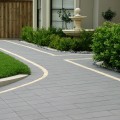
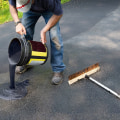
Residential paving projects are often associated with improving curb appeal, increasing property value, and creating durable outdoor spaces for everyday use. Whether installing a new driveway, walkway, patio, or parking area, homeowners typically focus on the finished appearance and the quality of the paving material. However, the long-term success of any paving project depends heavily on what lies beneath the surface. Structural planning plays a critical role in ensuring that the underlying soil, base materials, grading, and load distribution are properly evaluated before paving begins. By investing in careful planning at the earliest stage of the project, homeowners can reduce the risk of future settlement, cracking, drainage issues, and costly repairs while creating outdoor surfaces designed to withstand years of regular use.
Understanding Site Conditions Before Construction
Every residential property presents unique conditions that influence paving performance. Soil composition, moisture content, natural slopes, existing drainage patterns, and nearby structures all affect how a paved surface will perform over time. If these factors are overlooked, even high-quality paving materials may begin showing signs of deterioration sooner than expected. Structural planning involves evaluating the site's characteristics to determine whether additional grading, soil stabilization, or base reinforcement is necessary before construction begins. Proper preparation creates a more stable foundation that supports the finished pavement while reducing movement caused by seasonal changes, heavy vehicle traffic, or long-term soil settlement. This attention to site conditions helps ensure that the paving investment remains durable for many years.
Managing Load Distribution Effectively
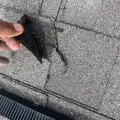
One of the most important aspects of residential paving is designing surfaces capable of handling anticipated loads without excessive stress. Driveways supporting multiple vehicles require different structural considerations than pedestrian walkways or decorative patios. Structural planning evaluates how weight will be distributed across the paved surface and determines the appropriate thickness of base materials and paving layers needed to support those loads. Without adequate preparation, repeated traffic may lead to depressions, cracking, edge failure, or uneven settling that shortens the lifespan of the pavement. Coordinating paving design with structural principles allows homeowners to enjoy surfaces that remain stable, functional, and visually appealing despite years of daily use.
Improving Drainage for Long-Term Performance
Effective drainage is another essential element of successful residential paving projects. Water is one of the leading causes of pavement deterioration because it can weaken supporting soils, erode base materials, and contribute to freeze-thaw damage in certain climates. Structural planning incorporates proper grading and drainage solutions that direct water away from paved surfaces and nearby foundations. This proactive approach minimizes standing water, reduces erosion, and helps preserve both the pavement and surrounding structural elements. Companies such as Open Concept Engineering demonstrate the importance of integrating structural expertise into site development projects where drainage, stability, and long-term durability are closely connected. Thoughtful planning ensures that paving improvements support the property's overall performance instead of creating future maintenance concerns.
Supporting Future Property Improvements
Residential paving projects should not be viewed as isolated improvements but as part of the property's broader infrastructure. Well-planned paved surfaces can accommodate future landscaping, outdoor living spaces, retaining walls, additions, or accessibility upgrades without requiring significant reconstruction. Structural planning helps identify opportunities to coordinate paving with existing utilities, grading plans, and future development goals. This forward-thinking approach provides greater flexibility while reducing the likelihood of expensive modifications later. Homeowners benefit from infrastructure that adapts more easily to changing needs while maintaining consistent structural performance throughout the property.
Creating Durable Outdoor Spaces Through Smart Planning
Successful residential paving depends on much more than selecting attractive materials or hiring experienced installers. Long-lasting results begin with careful structural planning that evaluates soil conditions, drainage, load requirements, and future property use before construction starts. By addressing these foundational elements early, homeowners significantly reduce the likelihood of settlement, cracking, drainage failures, and premature repairs. The result is a paving project that not only enhances the property's appearance but also contributes to its long-term functionality and structural reliability. Combining quality paving workmanship with thoughtful structural coordination creates outdoor spaces that remain safe, durable, and valuable for many years while supporting the overall integrity of the home and surrounding landscape.