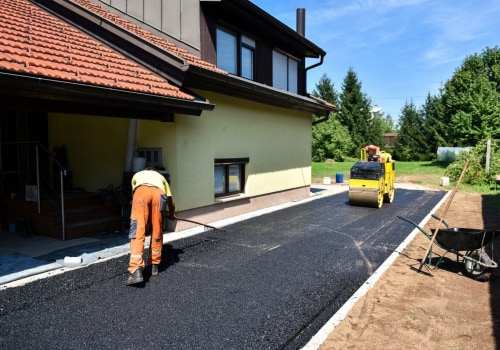
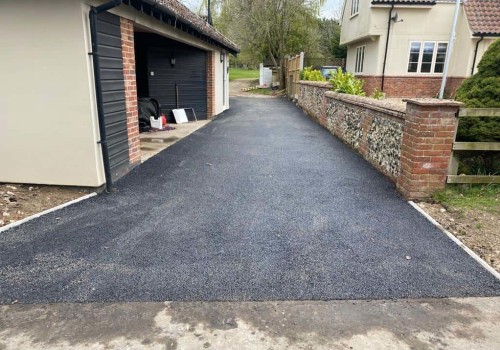
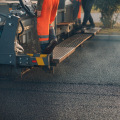
Residential paving projects are usually planned to improve curb appeal, accessibility, and the overall functionality of outdoor spaces. Homeowners often focus on replacing cracked driveways, installing new walkways, or upgrading patios and parking surfaces without realizing that these projects can sometimes expose hidden roofing issues. During paving work, contractors closely evaluate grading, drainage patterns, soil stability, and water flow throughout the property. As a result, they frequently uncover signs that roof runoff or gutter problems have been quietly affecting the surrounding surfaces for years. What may initially appear to be a simple paving issue is often connected to how water is leaving the roof and moving across the property during storms and seasonal weather changes.
Poor Roof Drainage Can Damage Paved Surfaces
Roofing systems control a significant portion of the water flow around residential properties. Gutters, downspouts, roof slopes, and drainage channels are all designed to move rainwater safely away from the structure. However, when these systems become clogged, damaged, or improperly positioned, excess water may repeatedly flow onto driveways, sidewalks, or paved surfaces. Over time, this concentrated runoff can weaken the soil beneath the pavement, leading to cracks, sinking sections, erosion, and uneven surfaces. Paving contractors often notice these signs during excavation and grading work, especially when the damage appears more severe near gutter discharge points or roof drainage areas.
Excavation Work Exposes Hidden Moisture Problems
One reason paving projects frequently reveal roofing concerns is because excavation work uncovers hidden moisture conditions beneath the surface. Contractors may find soft soil, standing water, washed-out gravel bases, or signs of long-term erosion while preparing the area for new paving materials. These conditions often indicate that roof drainage systems have not been directing water properly away from the property. In many cases, the homeowner may not have noticed the issue because the damage developed gradually over time. Once old pavement is removed, however, the effects of uncontrolled runoff become much more obvious. Roofing professionals understand that poor drainage affects not only the roof itself but also the long-term stability of surrounding hardscape features.
Gutter Overflow Often Contributes to Structural Wear
Overflowing gutters are one of the most common hidden contributors to paving damage. During heavy rain, clogged gutters may spill water directly onto paved areas or nearby soil, creating repeated moisture exposure that weakens the foundation beneath the surface. Water pooling near driveways or walkways can gradually erode support materials and contribute to shifting or cracking. In colder climates, freeze-thaw cycles can worsen the problem by expanding trapped moisture beneath the pavement. Companies such as A1 Roofing Services recognize that maintaining proper roof drainage is essential for protecting both the structural integrity of the home and the durability of exterior paving installations.
Grading and Water Flow Must Work Together
Residential paving projects often involve regrading sections of the property to improve drainage and surface stability. During this process, contractors may discover that existing roof runoff patterns conflict with the new paving layout. Downspouts may direct water toward freshly paved surfaces, or grading slopes may unintentionally channel runoff into areas vulnerable to erosion. This is why paving contractors sometimes recommend roofing inspections before completing major outdoor renovations. Coordinating roof drainage systems with paving design helps ensure water flows safely away from both the home and newly installed hardscapes.
Preventive Maintenance Protects Outdoor Investments
Addressing roofing drainage issues before or during paving projects can help homeowners avoid expensive repairs in the future. Routine gutter cleaning, downspout maintenance, and roof inspections all contribute to healthier drainage conditions throughout the property. Proper runoff management reduces erosion risks, improves soil stability, and helps preserve paved surfaces for many years. By understanding the relationship between roofing systems and residential paving performance, homeowners can make more informed decisions about outdoor improvements while protecting both their property value and long-term structural stability.